
Running Facebook ads without a clear budget leads to wasted money. Many businesses spend too much too fast. Others spend too little and see no results. Both approaches fail. A strong Facebook ad budget gives you control. It helps you reach the right audience, increase engagement, and drive conversions. This guide shows you how to calculate, set, and adjust your Facebook ad budget using a clear and simple process.
Understanding Facebook Ad Costs
Before setting a budget, you need to understand how Facebook charges for ads. Facebook uses two main pricing models. Cost per click means you pay when someone clicks your ad. Cost per mille means you pay for every 1,000 impressions. Each model serves a purpose. Cost per click works best when your goal is traffic or conversions. Cost per mille works well for awareness and visibility. You can also choose how you spend your budget. A daily budget sets a fixed amount per day. A lifetime budget spreads spending across the full campaign period. Facebook also offers Campaign Budget Optimization. This system distributes your budget across ad sets based on performance. It helps improve results without manual adjustments.
How to Set a Facebook Ad Budget
Define Your Advertising Goals
Your Facebook ad budget should match your goal. If your goal is awareness, you need reach and impressions. If your goal is consideration, you need clicks and engagement. If your goal is conversion, you need leads or sales. Each goal requires a different budget approach. Awareness campaigns often need consistent spending over time. Consideration campaigns require testing and optimization. Conversion campaigns demand focused spending on high performing ads. Clear goals lead to better budget decisions.
Estimate Your Facebook Ad Costs
Facebook ad costs vary based on many factors. Industry competition, audience targeting, and timing all affect pricing. On average, the cost per click is around $0.94. Cost per mille is about $12.07. These numbers can change depending on demand. High competition increases costs. Low competition reduces costs. Seasonal trends also play a role. Ads often cost more during peak seasons. Understanding these patterns helps you plan your Facebook ad budget more effectively.
Start Small and Test First
Do not start with a large budget. Testing is the first step to success. Begin with a small daily budget. Spending between $1.00 and $3.50 per day allows you to test without risk. Run short campaigns that last five to seven days. Use this phase to measure performance. Focus on reach, impressions, clicks, and conversions. You can also boost a few posts to gather data. Choose four posts each week and assign a small budget to each. Testing helps you identify what works before you scale.
Analyze Results and Identify Winners
After testing, review your results. Look for patterns. Identify which ads get the most clicks, engagement, and conversions. Pay attention to audience response and content performance. Strong ads show clear signs. They attract clicks, generate engagement, and drive action. Weak ads do not perform. They cost money without results. Focus only on what works. This step protects your budget and improves efficiency.
Scale Your Budget Gradually
Once you find high performing ads, increase your Facebook ad budget slowly. Do not scale too fast. Rapid increases can disrupt performance and waste money. Instead, raise your budget step by step. Monitor results after each adjustment. Allocate more funds to ads that continue to perform well. Scaling should feel controlled. Growth should come from data, not guesswork.
Maintain Budget Consistency
Consistency improves performance over time. Avoid frequent changes that disrupt campaigns. Keep your budget stable while collecting data. Review your campaigns regularly. Adjust your budget based on performance trends. Increase spending only when you see positive returns. A steady approach leads to better results and a stronger return on investment.
How to Adjust Budget in Facebook Ads Manager
1. Open Facebook Ads Manager.
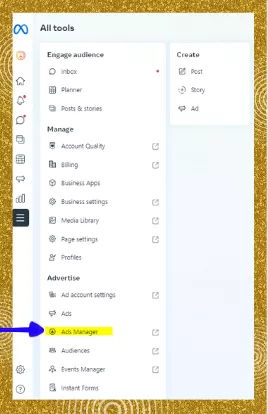
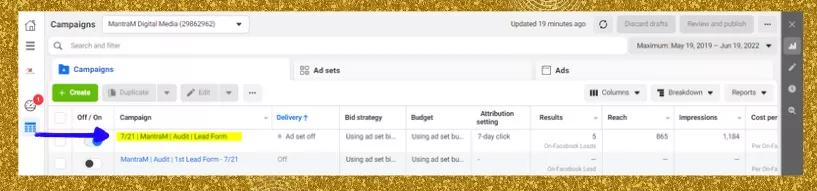
2. Select the campaign or ad set to modify.
3. Click Edit and adjust the budget.
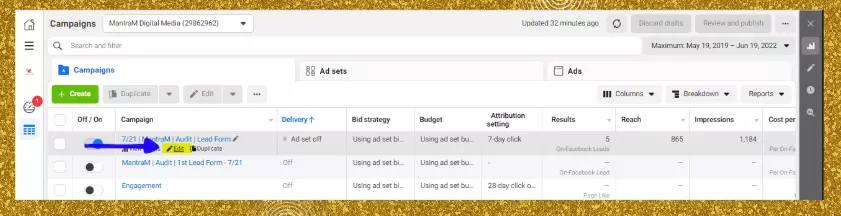
4. Choose daily or lifetime budgets.
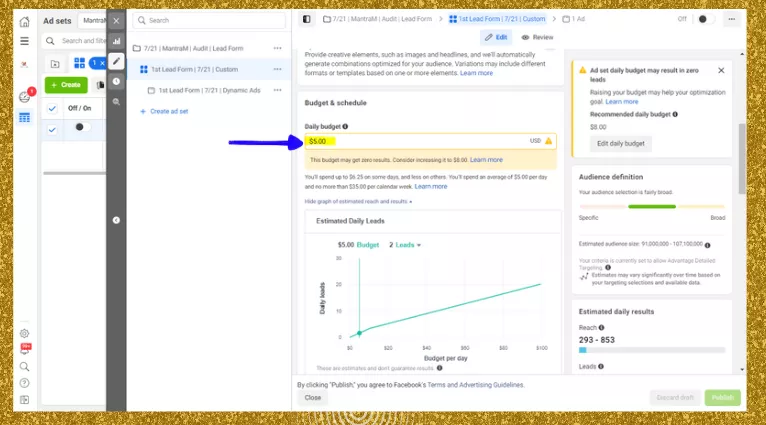
5. Click Publish to apply changes.
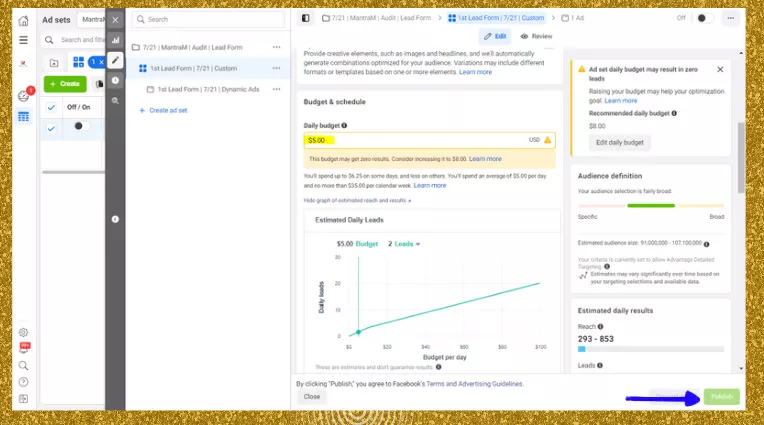 This process helps control spending while maximizing results.
Common Budget Mistakes to Avoid
Many advertisers waste money due to simple mistakes. Spending too much too early often leads to poor results. Skipping the testing phase makes it hard to identify what works. Ignoring performance data results in inefficient campaigns. Another common mistake is changing budgets too often. This disrupts optimization and reduces effectiveness. Avoiding these issues helps protect your Facebook ad budget and improves outcomes.
Tips to Improve Facebook Ad Budget Efficiency
You can stretch your budget further with a few simple strategies. Focus on a clear target audience. Broad targeting often increases costs without improving results. Use strong visuals and clear messaging to improve engagement. High-quality ads reduce cost per click over time. You can also retarget users who have already interacted with your content. These users are more likely to convert, which improves efficiency. Small improvements can lead to better results without increasing your budget.
FAQs About Facebook Ad Budget
How much should I spend on Facebook ads?
Start small. A budget of $1.00 to $3.50 per day works well for testing. Increase spending once you find high performing ads.
Should I use daily or lifetime budgets?
Daily budgets work well for consistent campaigns. Lifetime budgets are better for fixed campaigns with a clear timeline.
How do I know if my budget is working?
Track metrics such as clicks, engagement, and conversions. If your ads generate results at a reasonable cost, your budget is effective.
Can I reduce my ad costs?
Yes. Improve targeting, test different creatives, and focus on high performing ads. These actions can lower your cost per click and increase return on investment.
Conclusion
A Facebook ad budget should be strategic, scalable, and aligned with marketing goals. Starting with small tests, tracking performance, and adjusting spending ensures better reach, engagement, and conversions. Businesses that manage budgets effectively gain higher ROI and ad efficiency. Need help building a Facebook ad budget that drives real results? Call (469) 827-7641 or email MantraM Digital to create a data-driven ad strategy tailored to your business goals.
Last Updated on May 3, 2026
Subscribe And Receive Free Digital Marketing Tips To Grow Your Business
Join over 8,000+ people who receive free tips on digital marketing. Unsubscribe anytime.